


How Do You Choose Engineered Timber Flooring for Different Rooms?
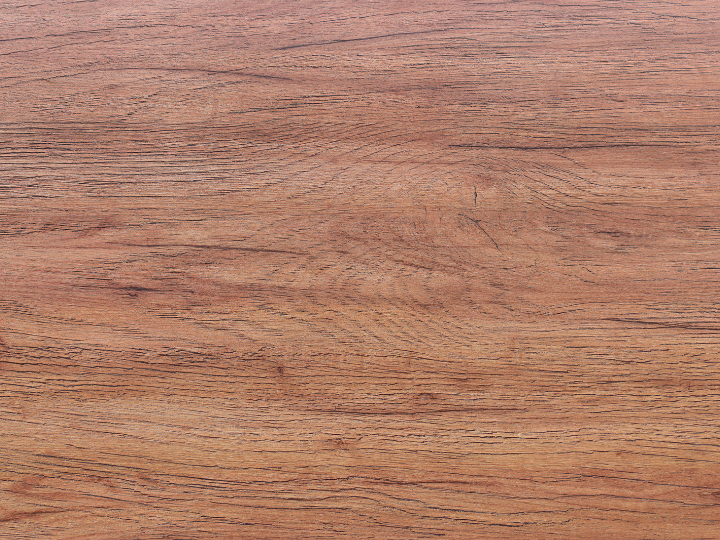
Choosing the right flooring can transform the appearance, comfort and functionality of your home. However, each room has different requirements depending on foot traffic, moisture exposure and everyday activities. Engineered timber flooring offers a natural timber appearance with a layered construction, making it a versatile option for many interiors. Understanding how each space is used can help you select a suitable style, finish and board design.
1. Choose Flooring for Your Living Room
Prioritise Style and Durability
Living rooms often serve as central gathering spaces for families and guests. Select engineered timber boards that complement your furniture, wall colours and interior design. Wider planks can create a spacious appearance, while lighter timber tones may help smaller rooms feel brighter.
Consider a durable surface finish that can handle regular foot traffic, furniture movement and everyday cleaning. A suitable finish can help maintain the floor's appearance over time.
2. Select Suitable Flooring for Bedrooms
Bedrooms generally experience less foot traffic than busy living areas, making comfort and visual appeal important considerations. Natural timber tones can create a warm, relaxing atmosphere, while matte finishes offer a subtle and contemporary appearance.
When choosing engineered timber flooring for bedrooms, consider how the boards will coordinate with wardrobes, bed frames and existing furnishings. Consistent flooring between adjoining bedrooms and hallways can also create a cohesive interior design.
3. Consider Kitchen Conditions Carefully
Kitchens experience spills, temperature changes and frequent cleaning. Therefore, selecting a product with suitable moisture resistance is essential. Engineered timber construction can offer greater dimensional stability than solid timber in certain conditions, but it is not automatically waterproof.
If you are exploring engineered timber flooring for kitchens, check the manufacturer's moisture guidance, installation requirements and cleaning recommendations. Wipe up spills promptly and avoid allowing standing water to remain on the surface.
4. Evaluate Flooring for Hallways
Focus on Everyday Wear
Hallways connect different parts of the home and often experience frequent foot traffic. Choose a product with a suitable protective finish that can withstand regular use. Mid-toned timber colours may help make minor dust and everyday marks less noticeable than some very dark or extremely light finishes.
Consider the hallway's width and lighting when selecting board dimensions. Consistent flooring between hallways and living areas can create a seamless visual flow.
5. Make Informed Choices for Dining Areas
Dining rooms need flooring that balances appearance with practical maintenance. Food crumbs, chair movement and occasional spills can affect the surface over time. Select a finish that is easy to maintain and follow the manufacturer's guidance for protecting the floor from scratches.
Felt pads beneath dining chairs can help reduce surface damage, while rugs with suitable backing may offer additional protection in high-use areas.
6. Check Suitability for Laundry Rooms
Laundry areas require extra care because washing machines, taps and plumbing connections can introduce moisture. Before installing engineered timber, confirm whether the selected product is approved for the room's conditions.
Some manufacturers restrict installation in areas exposed to frequent moisture or standing water. Waterproof flooring alternatives may be more appropriate for particularly wet environments.
Frequently Asked Questions
1. Is engineered timber flooring suitable for every room?
It suits many living spaces, but rooms with persistent moisture or standing water may require another flooring type.
2. Which timber colour works best in small rooms?
Lighter timber tones can make compact spaces feel brighter and more open, depending on lighting and wall colours.
3. Can engineered timber flooring be installed in kitchens?
Some products may be suitable when installed according to manufacturer instructions, provided spills are managed promptly.
4. How do I protect engineered timber flooring from scratches?
Use furniture pads, suitable cleaning products and protective mats in appropriate areas. Avoid dragging heavy furniture across the surface.
5. Should the same flooring be used throughout the home?
Using the same flooring across compatible rooms can create a consistent appearance. However, moisture exposure and room-specific requirements should guide your final decision.
