


Cannabis Seeds Market Outlook: Innovation and Industry Evolution
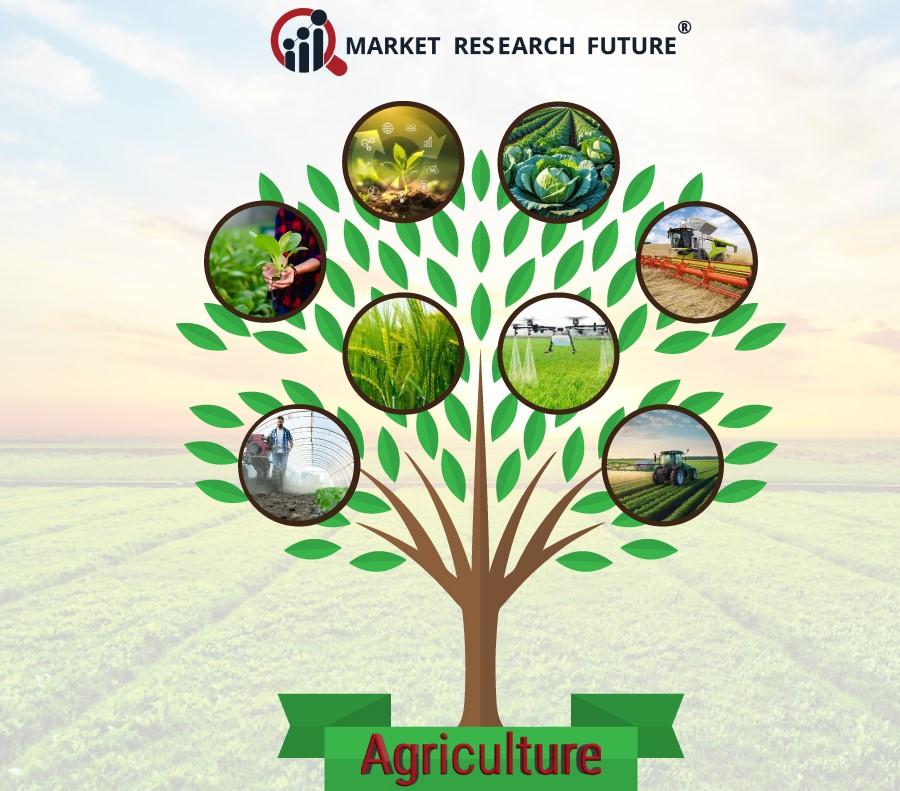
Cannabis Seeds Market is attracting attention as plant science, agricultural research, and regulated cannabis production continue to evolve. Seeds carry inherited characteristics that influence plant development, making genetic evaluation an important part of authorized cultivation and research. Seed businesses are increasingly focused on documenting genetic backgrounds, maintaining quality, and improving the consistency of their offerings. These priorities are relevant to professional growers operating under different cultivation conditions and regulatory frameworks. As scientific methods become more sophisticated, the industry has opportunities to improve its understanding of plant genetics while developing more reliable systems for seed identification, storage, and distribution.
The advancement of plant genetics research and development is helping researchers better understand inherited traits and variation between plant lines. In authorized research settings, genetic analysis can support the identification and documentation of characteristics relevant to breeding objectives. Such work may help researchers assess genetic relationships, maintain breeding records, and preserve valuable genetic diversity. The usefulness of these approaches depends on reliable methods, suitable research design, and responsible data management. As plant science continues advancing, genetic research can contribute to better-informed seed development while reinforcing the importance of lawful research and appropriate oversight.
Scientific documentation is becoming increasingly important for seed developers. Breeding programs can involve numerous plant lines, generations, observations, and evaluation records. Organized documentation helps researchers track the origins of genetic material and understand how particular characteristics have been assessed. Digital recordkeeping may reduce administrative errors and make it easier to compare findings across research activities. Standardized methods can also improve communication between breeding teams and authorized cultivation partners. When documentation is accurate and consistently maintained, it can strengthen research integrity and help businesses provide customers with clearer information about the products they supply.
Controlled research environments can provide another avenue for understanding plant characteristics. Researchers may evaluate selected lines under defined conditions to observe development and compare recorded traits. Careful experimental design is important because environmental conditions can influence plant performance independently of genetics. Replication, consistent observation methods, and transparent reporting help researchers distinguish reliable patterns from isolated results. Findings from controlled settings may also require further evaluation before they can be applied to different cultivation environments. These considerations demonstrate why research quality matters and why seed suppliers should avoid presenting limited observations as guarantees of performance under all growing conditions.
Genetic diversity is an additional consideration for long-term seed development. Maintaining diverse plant material can support research into inherited characteristics and help preserve options for future breeding programs. Conservation practices require careful identification, suitable storage, accurate records, and compliance with applicable rules governing genetic resources. Authorized research organizations may also need to consider access permissions and other legal obligations. Preserving diversity is not simply a matter of retaining seed samples; it requires systems that protect identity and maintain useful information about their origins. Responsible stewardship can therefore contribute to the long-term value of plant genetic resources.
Quality systems help translate research findings into products that professional customers can evaluate. Suppliers may use procedures for identity checks, handling, packaging, storage, and documentation. Clearly defined processes can improve consistency and help businesses identify potential problems before distribution. Quality assurance is especially relevant where customers operate under formal licensing or production standards and need reliable records for their own compliance obligations. Suppliers must also recognize that seed quality and plant outcomes can be influenced by storage, environmental conditions, and cultivation practices. Communicating these factors honestly supports better expectations and more informed purchasing decisions.
Collaboration between researchers, seed developers, and licensed growers can strengthen the connection between science and practical application. Researchers can contribute expertise in genetics and experimental methods, while cultivation professionals can explain operational challenges and the types of information they need. Partnerships may support better product characterization, improved recordkeeping, and clearer communication about seed attributes. However, collaboration must follow the relevant licensing conditions, research permissions, and information-handling rules. Responsible partnerships can help the industry identify useful research questions and encourage the adoption of evidence-based practices without overlooking legal and ethical considerations.
Looking ahead, the Cannabis Seeds Market will continue to be influenced by advances in plant science, genetic documentation, quality management, and regulated cultivation. Research may improve understanding of plant characteristics, while digital tools can strengthen the organization of breeding and product records. Commercial progress will also depend on dependable supply chains, transparent communication, and compliance with jurisdiction-specific requirements. No single technology can eliminate the biological and environmental variability associated with plant development. Continued investment in rigorous research and responsible business practices can nevertheless help seed suppliers provide better-documented products for authorized cultivation and research activities.
FAQs
Q1. What is plant genetics research?
It studies inherited characteristics and variation among plants.
Q2. Why maintain genetic diversity?
It preserves a wider range of genetic resources for research and breeding.
Q3. How does documentation help seed suppliers?
It supports product identification, research integrity, and traceability.
