


5 Benefits of Using a Nylon Splint for Dental Support
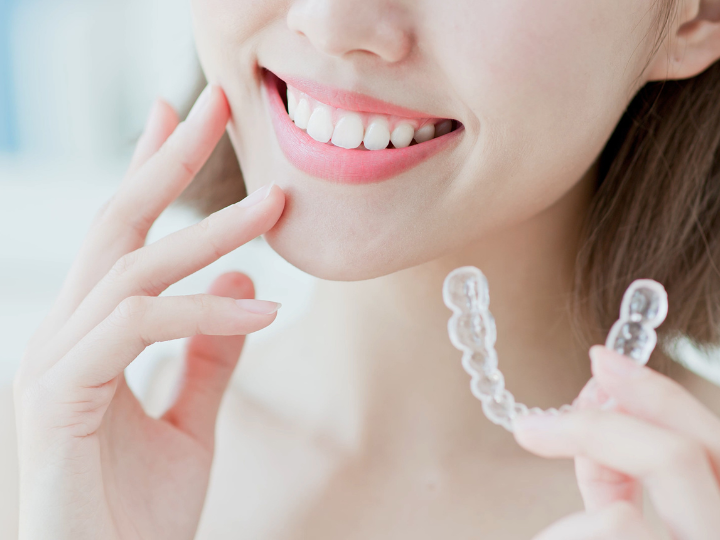
Maintaining healthy teeth involves more than regular brushing and dental check ups. For some people, additional dental support may be recommended to protect teeth, improve comfort and manage certain oral concerns. A nylon splint can be one option when a dentist determines that additional support is appropriate.
Unlike traditional rigid dental appliances, nylon splints are made from a flexible material designed to fit comfortably around the teeth. Here are five potential benefits that may make them a useful part of an individualised dental care plan.
1. Comfortable Fit for Everyday Use
One of the key advantages of a nylon splint is its flexibility. Nylon can provide a more adaptable fit around the teeth, which may make the appliance feel comfortable during regular use.
A well fitted splint should not unnecessarily interfere with speaking, eating or normal oral activities. Your dentist can assess your bite and oral structure to determine whether a nylon appliance is suitable for your needs.
Designed Around Your Dental Needs
Every mouth is different, so dental appliances should be properly assessed and fitted. Professional fitting can help ensure the splint provides the intended support without creating unnecessary pressure on the teeth or gums.
2. Helps Protect Teeth From Excessive Stress
Some people experience excessive pressure on their teeth due to clenching or grinding. Over time, these habits may contribute to tooth wear, sensitivity or discomfort.
A nylon splint may provide a protective barrier between the upper and lower teeth. Depending on its design and purpose, it can help distribute biting forces more evenly and reduce direct contact between teeth.
Supporting Long Term Oral Health
Protecting teeth from avoidable wear can form part of a broader approach to oral health. This is where preventive dentistry can play an important role by focusing on maintaining oral health and identifying potential concerns early.
3. Flexible Yet Durable Material
Nylon is valued for its combination of flexibility and strength. A properly designed splint can provide dental support while accommodating normal movement within the mouth.
The durability of a dental appliance will depend on factors such as individual usage, oral habits, cleaning and maintenance. Regular dental reviews can help determine whether the splint remains suitable and effective.
Appropriate Care Matters
Cleaning your appliance as advised by your dental professional can help maintain hygiene and extend its useful life. It is also important to report any cracks, changes in fit or discomfort.
4. May Improve Comfort for People With Dental Clenching
Persistent clenching can place considerable pressure on the teeth and surrounding structures. For suitable patients, a splint may help manage the effects of this pressure by creating separation between the teeth.
A dentist can evaluate symptoms such as jaw discomfort, tooth sensitivity and signs of tooth wear before recommending an appropriate appliance.
Professional Assessment Is Essential
A nylon splint is not necessarily suitable for everyone. Your dentist can assess your bite, teeth and individual circumstances before recommending the most appropriate form of dental support.
5. Supports a Preventive Approach to Dental Care
Nylon splints can complement a proactive approach to oral health when they are recommended as part of an individual's dental treatment plan. Rather than waiting for significant tooth damage to develop, appropriate protective measures may help manage certain risks.
Combining professional dental examinations, good oral hygiene and personalised preventive strategies can support healthier teeth and gums over time.
Frequently Asked Questions
Is a nylon splint suitable for everyone?
No. Suitability depends on your teeth, bite, oral health and the reason the appliance is required. A dentist should assess your needs before recommending one.
Can a nylon splint help with teeth grinding?
A suitable splint may help protect teeth from direct contact associated with grinding or clenching. Your dentist can determine whether it is appropriate for your situation.
How should I clean a nylon splint?
Follow your dentist's cleaning instructions. Generally, keeping the appliance clean and storing it correctly when not in use is important for maintaining oral hygiene.
How long does a nylon splint last?
Its lifespan varies depending on factors such as usage, grinding habits, care and material wear. Regular dental appointments can help monitor its condition.
Can a nylon splint replace regular dental care?
No. A splint should complement, rather than replace, regular dental examinations, professional cleaning and daily oral hygiene.
