


Advanced Farming Market Innovations Transform Crop Production
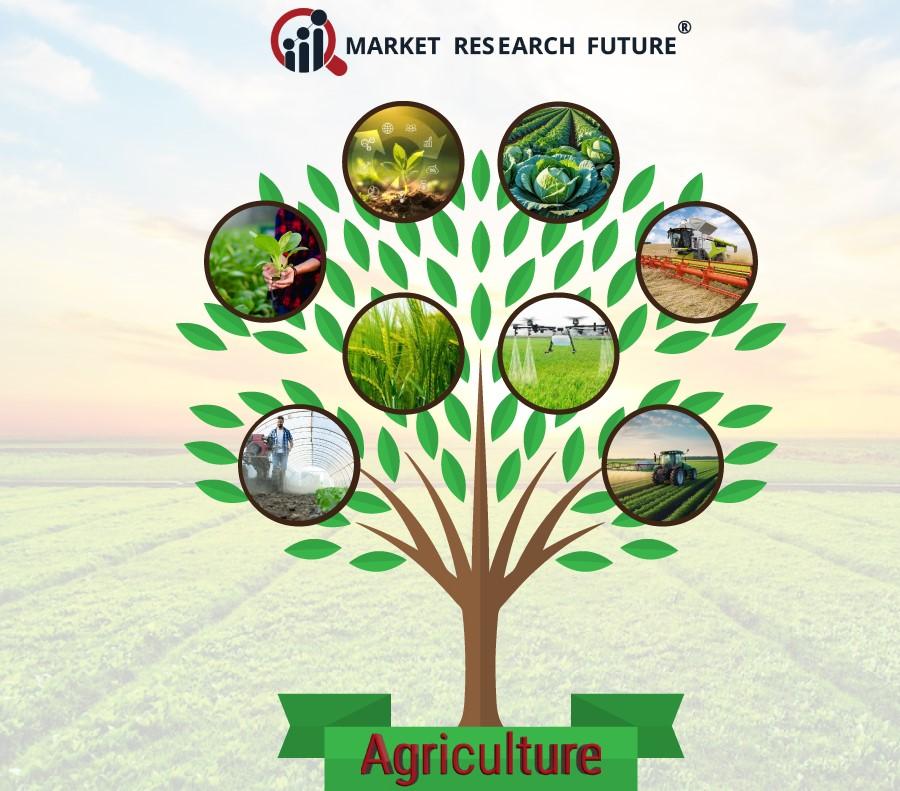
Advanced Farming Market is being transformed by innovations that combine agricultural expertise with digital technology, automation, robotics, and intelligent data systems. Farmers are increasingly exploring solutions that can improve operational accuracy while addressing challenges associated with labor, climate variability, resource availability, and crop management. Technology is enabling producers to collect detailed information from fields and equipment, helping them make decisions based on real-time or historical data. The integration of multiple technologies is creating more connected farming systems in which machinery, sensors, software, and agricultural processes can work together. This transformation is encouraging innovation across both traditional farming and emerging technology-enabled production models.
The adoption of digital farming technologies is helping producers improve visibility across agricultural operations. Digital farming platforms can combine information from sensors, machinery, weather systems, satellite imagery, and other sources. Farmers can use these platforms to monitor crop conditions, plan field activities, track equipment, and analyze production information. Centralized data can make it easier to identify changes and respond to emerging challenges. The growing availability of cloud-based platforms and mobile applications is also making agricultural information more accessible. As digital infrastructure improves, farmers can increasingly integrate technology into routine decision-making without relying exclusively on manual observations.
Robotics is emerging as another important innovation area. Agricultural robots can support tasks such as planting, monitoring, harvesting, weed identification, and crop maintenance. Robotic systems equipped with cameras and sensors can analyze crops and identify differences that may not be immediately visible to human operators. Automation can also help address labor shortages by performing repetitive or physically demanding activities. The development of autonomous machinery is creating opportunities for larger and more sophisticated agricultural operations. While adoption can depend on cost, infrastructure, farm size, and technical expertise, ongoing advances in robotics are making automated farming systems increasingly capable and adaptable.
Drones and remote sensing technologies are also expanding agricultural monitoring capabilities. Aerial platforms can provide detailed images of fields and help identify crop stress, irrigation issues, vegetation changes, and other conditions. Farmers can use this information to focus attention on specific areas rather than inspecting entire fields manually. Remote sensing can also support crop mapping and planning activities. When combined with geographic information systems and analytical software, aerial data can become a valuable component of precision farming. The increasing availability of agricultural drones and imaging technologies is therefore contributing to more data-rich and responsive crop management practices.
Automation in irrigation and crop input management is another important innovation. Smart irrigation systems can use soil moisture information, weather data, and crop requirements to support water management decisions. Automated equipment can also regulate the application of fertilizers and other agricultural inputs based on predefined or data-driven parameters. These systems can help reduce unnecessary resource application while improving consistency. Integration with farm management platforms can provide producers with a clearer overview of resource use. As water availability and input efficiency become increasingly important, automation technologies can provide farmers with greater control over agricultural operations.
Innovation is also extending into controlled-environment agriculture and indoor production. Greenhouses, vertical farms, and other controlled systems use technology to manage growing conditions with greater precision. Sensors can monitor temperature, humidity, lighting, moisture, and other variables, while automated systems adjust conditions as required. Data analytics can help operators identify relationships between growing conditions and crop performance. These systems demonstrate how advanced farming technologies can create highly controlled production environments. Continued innovation in energy efficiency, automation, and environmental monitoring can help improve the operational capabilities of these farming models.
The future of the Advanced Farming Market will depend on continued development in robotics, remote sensing, automation, artificial intelligence, digital platforms, and controlled-environment agriculture. Technology providers that create interoperable solutions can help farmers combine different systems more effectively. User-friendly interfaces and technical support will remain important for encouraging adoption. Research and collaboration between agricultural experts and technology developers can ensure that innovations address real farming challenges. As agricultural production becomes increasingly connected, advanced technologies are expected to contribute to more precise, automated, and information-driven farming practices across diverse production environments.
Frequently Asked Questions
Q1. How are robots used in agriculture?
Ans: Agricultural robots can assist with planting, crop monitoring, harvesting, weed management, and other repetitive or labor-intensive activities.
Q2. What role do drones play in advanced farming?
Ans: Drones can capture aerial field information that helps farmers monitor crop conditions, identify potential stress, and support precision management.
Q3. What is controlled-environment agriculture?
Ans: It is a farming approach that uses technology to manage growing conditions such as lighting, temperature, humidity, irrigation, and other environmental factors.
Browse More Reports
