


Baseball Equipment Market Segmentation Across Global Regions
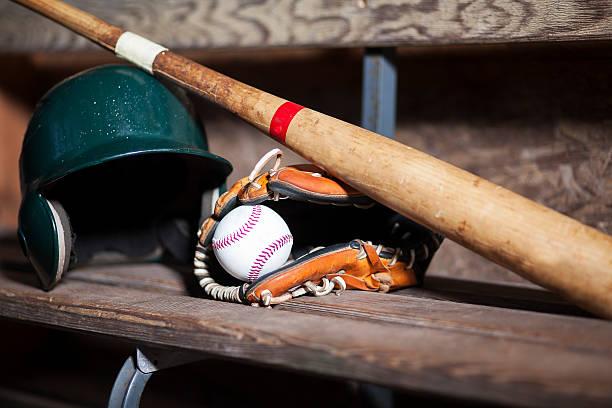
Baseball Equipment Market serves a diverse customer base that includes professional players, amateur athletes, youth participants, schools, sports academies, recreational leagues, and community organizations. This diversity creates different product requirements across bats, gloves, protective equipment, baseballs, footwear, and training accessories. Consumer preferences can vary according to age, skill level, position, playing environment, and purchasing channel. Geographic differences also influence baseball participation and equipment demand, with some regions having strong professional and organized baseball traditions while others are developing the sport through youth programs and recreational activities. Understanding these differences allows manufacturers and retailers to create more targeted product strategies and improve their ability to serve diverse sporting communities.
The importance of Baseball Equipment Market segmentation by product type and region is increasing as manufacturers seek to address different consumer needs. Product categories can include bats, gloves, protective equipment, baseballs, footwear, catcher equipment, and training accessories. Each category can contain multiple variations designed for specific age groups, playing positions, skill levels, and competition requirements. Regional preferences can also differ according to participation patterns, sporting infrastructure, climate, retail availability, and cultural interest in baseball. Companies that understand these variations can create more relevant portfolios and marketing strategies. Segmentation therefore provides a useful framework for understanding consumer demand and identifying areas for product development.
Youth baseball represents an important segment because children and teenagers often participate through schools, community programs, academies, and organized leagues. Equipment for younger players typically needs to balance usability, comfort, durability, and appropriate sizing. Parents and coaches may also place considerable attention on protective equipment and product suitability. Manufacturers can develop youth-focused product ranges that accommodate different stages of physical development and skill progression. Training equipment can further support young players as they learn fundamental techniques. The development of youth baseball programs can therefore create demand for a broad range of equipment while helping establish long-term participation in the sport.
Adult recreational and competitive players represent another important group. These consumers may have more specific preferences related to equipment construction, performance, fit, durability, and personalization. Competitive players can seek products designed around particular playing positions and skill requirements, while recreational participants may prioritize comfort, convenience, and value. Manufacturers can address these differences by offering products across multiple performance levels. Retailers can also use digital tools to help customers select appropriate equipment. The diversity within the adult segment creates opportunities for companies to provide specialized products while maintaining accessible options for recreational players.
Regional development can significantly influence the availability and popularity of baseball equipment. North America has a well-established baseball ecosystem supported by professional, collegiate, school, youth, and recreational participation. Other regions are also developing baseball programs through international competitions, community leagues, schools, and sports development initiatives. As participation expands, demand for equipment can increase across different categories. Manufacturers and retailers can support this development by providing accessible products, training resources, and localized distribution. International sporting events can also increase visibility and encourage new participants to engage with the sport, creating opportunities for equipment brands to expand into developing baseball communities.
Digital commerce is supporting cross-regional access to baseball equipment. Consumers can increasingly purchase products from international brands through online platforms, expanding the range of equipment available beyond local retail inventories. Product information, reviews, demonstrations, and comparison tools can help consumers evaluate equipment before purchasing. However, regional differences in product standards, shipping requirements, sizing preferences, and customer service can influence purchasing decisions. Companies seeking international expansion therefore need to understand local market conditions and provide suitable distribution and support. Digital commerce can reduce geographic barriers while creating opportunities for brands to reach players in regions where baseball participation is developing.
The future of the Baseball Equipment Market will depend on product segmentation, regional participation, youth development, recreational sports, competitive baseball, digital commerce, and localized consumer preferences. Manufacturers that create products for different age groups, positions, skill levels, and playing environments can serve a broader customer base. Regional expansion can provide opportunities as baseball programs develop in new communities and countries. Online retail can further improve product accessibility while providing consumers with more information. Continued investment in youth programs, training facilities, and organized leagues can strengthen participation. As baseball expands across diverse markets, segmentation will remain important for developing relevant products and effective commercial strategies.
Frequently Asked Questions
Q1. What are the main product categories in baseball equipment?
Ans: Major categories include bats, gloves, baseballs, helmets, protective equipment, catcher gear, footwear, and training accessories.
Q2. Why is youth baseball important for equipment manufacturers?
Ans: Youth programs create demand for appropriately sized equipment and can encourage long-term participation in the sport.
Q3. How can regional expansion benefit baseball equipment companies?
Ans: Expanding participation in developing baseball communities can create new demand for equipment, training products, and sporting goods services.
