


How Global Mobility Services Are Transforming International Talent Management Strategies
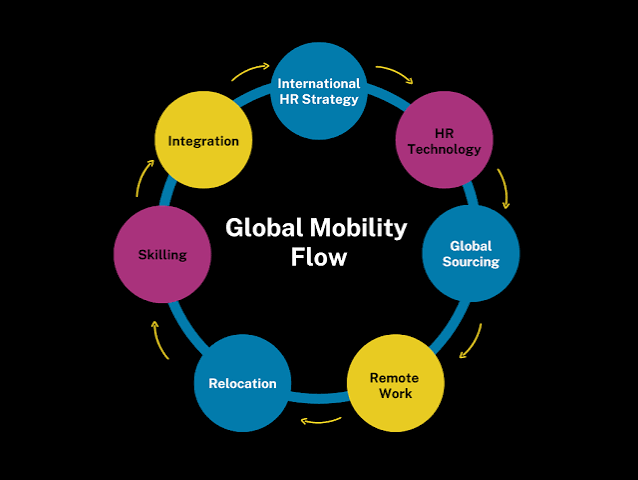
The expansion of multinational enterprises relies heavily on seamless talent deployment across international borders, placing corporate relocation infrastructure at the heart of executive decision-making. Strategic human resource planning now mandates sophisticated support systems that handle everything from cross-border tax compliance and visa facilitation to physical logistics and destination settling services. As organizations push into emerging territories to secure specialized expertise or capture market share, the logistical friction of relocating key personnel can hinder operational scalability. Modern mobility programs must continuously reconcile corporate governance requirements with the personal demands of transferred staff, ensuring smooth transitions without exposing the parent company to legal or financial risks. Consequently, decision-makers are investing heavily in integrated mobility platforms to manage assignments efficiently. By examining the Global Mobility and Expatriate Services Market analysis, industry leaders gain critical clarity on operational benchmarks and service delivery models required to optimize cross-border workforce transfers in a highly competitive economic environment.
Beyond basic logistics, long-term talent retention during international transfers requires personalized relocation journeys tailored to individual family dynamics and cultural adjustments. Transitioning an employee across jurisdictions without providing comprehensive destination services, such as localized housing assistance, school placements, and spousal employment guidance, often leads to assignment failure and significant enterprise cost. Advanced service providers are responding by offering modular relocation packages that allow corporate HR departments to adjust support levels based on tier, tenure, and destination risk profiles. Furthermore, ongoing macroeconomic shifts, fluctuating currency exchange rates, and evolving labor policies demand adaptable relocation policies that can pivot when geopolitical conditions shift. Businesses that establish resilient, employee-centric relocation frameworks not only safeguard their capital investments but also enhance their employer brand globally. Developing robust corporate mobility workflows remains a foundational imperative for organizations aiming to sustain overseas expansion while maintaining high talent retention metrics across diverse global teams.
Frequently Asked Questions
What primary services are included in corporate mobility and relocation programs?
Corporate mobility programs typically encompass immigration and visa procurement, destination orientation, home search and lease negotiation, physical household goods moving, global tax compliance, and ongoing spousal or family integration support.
How do structured relocation policies mitigate international assignment failures?
Structured policies establish transparent expectations, reduce administrative friction, ensure legal compliance, and provide dedicated localized care, thereby significantly reducing stress on employees and minimizing early assignment departures.
➤➤➤Explore MRFR’s Related Ongoing Coverage In Semiconductor Industry:
India 5G Fixed Wireless Access Market
Canada Commercial Printing Market
China Commercial Printing Market
India Commercial Printing Market
Europe Data Center Switch Market
France Data Center Switch Market
India Data Center Switch Market
Indonesia Fingerprint Scanner Market
South Korea Fingerprint Scanner Market
South Korea Semiconductor Ip Market
