


Commercial Recycling Bin Market Expands With Sustainable Offices
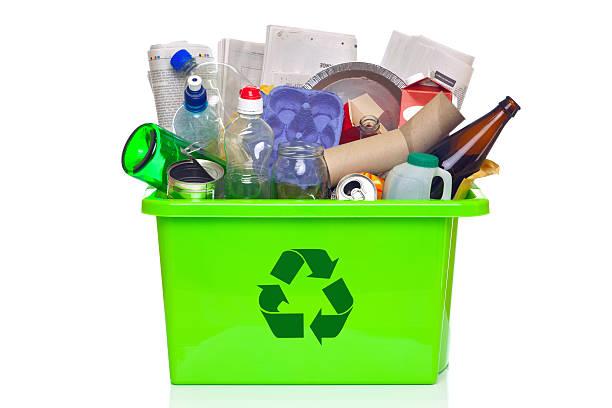
Commercial Recycling Bin Market is expanding as modern workplaces increasingly integrate sustainability into their daily operations and facility management strategies. Offices and commercial buildings are adopting organized recycling systems to encourage employees and visitors to separate recyclable materials from general waste. This shift reflects broader awareness about environmental responsibility and the importance of efficient resource management. Commercial recycling bins are becoming more than simple collection containers, as organizations consider their design, accessibility, labeling, and placement when developing workplace recycling programs. The growing emphasis on sustainable offices is creating opportunities for manufacturers to provide flexible solutions suited to diverse commercial environments and operational requirements.
The transition toward environmentally responsible workplaces is encouraging organizations to implement systems that make recycling simple and convenient for users. Companies are seeking solutions that support multiple material categories and can be integrated into existing office layouts. The adoption of office waste recycling systems is helping businesses create structured collection points and encourage more consistent recycling behavior. These systems can support employee participation by providing clearly identified disposal options in convenient locations. As corporate sustainability becomes increasingly important, businesses are recognizing that effective recycling infrastructure can contribute to cleaner facilities and stronger environmental management practices.
The design of modern office environments is also influencing recycling bin requirements. Contemporary workplaces often emphasize open layouts, collaborative spaces, and attractive interiors, creating demand for recycling products that complement these designs. Manufacturers are developing bins with compact profiles, modern appearances, clear identification, and flexible configurations. Multi-stream collection units can allow several recyclable materials to be separated within a single station, helping businesses use available space efficiently. These developments are particularly relevant for offices where floor space and visual consistency are important. By combining functionality with design, recycling bin manufacturers can better meet the needs of modern commercial workplaces.
Employee engagement is an important element of successful workplace recycling programs. Even well-designed recycling infrastructure may be less effective if employees are uncertain about how materials should be separated. Businesses are therefore focusing on clear labeling, recognizable symbols, and strategically positioned collection stations. Manufacturers are incorporating communication features into product designs to make disposal decisions easier. Some organizations are also combining recycling bins with educational campaigns and sustainability initiatives. These approaches can help create stronger recycling habits and improve participation. The increasing focus on user behavior is encouraging product developers to consider communication and accessibility alongside container functionality.
Corporate sustainability commitments are creating additional opportunities for commercial recycling solutions. Many organizations are incorporating environmental objectives into workplace policies and facility management practices. Recycling programs can become part of broader initiatives focused on waste reduction, resource efficiency, and responsible operations. Commercial recycling bins provide visible infrastructure that supports these goals every day. Businesses are also considering long-term durability and ease of maintenance when selecting products. High-quality containers can support consistent recycling operations while reducing the need for frequent replacement. These requirements are encouraging manufacturers to focus on reliable construction and adaptable designs for commercial customers.
Smart building development is further influencing the evolution of office recycling systems. Connected technologies can provide facility managers with information about container usage, collection requirements, and operational patterns. This information can help organizations improve collection planning and allocate maintenance resources more effectively. Smart recycling systems may become increasingly relevant in large offices, campuses, and commercial properties where multiple collection points are used. The integration of recycling infrastructure with broader building management technologies can support more efficient operations. These developments are encouraging manufacturers to explore technology-enabled products while continuing to meet the practical requirements of everyday waste collection.
The future of the Commercial Recycling Bin Market will be supported by sustainable workplace initiatives, employee engagement, smart building development, product innovation, and growing environmental awareness. Manufacturers that provide durable, attractive, accessible, and flexible recycling solutions will have opportunities to serve increasingly sustainability-focused organizations. As businesses continue transforming offices into environmentally responsible workplaces, commercial recycling bins will remain an essential part of waste segregation infrastructure. Innovation in modular design, labeling, materials, connectivity, and user experience will help recycling systems become more effective and better integrated into modern commercial environments.
Frequently Asked Questions
Q1. Why are recycling bins important in sustainable offices?
Ans: They provide convenient collection points that encourage waste separation and support broader workplace sustainability programs.
Q2. How can businesses encourage employees to recycle?
Ans: Businesses can use clear labeling, convenient bin placement, educational initiatives, and easy-to-understand recycling stations.
Q3. What role can smart technology play in office recycling?
Ans: Smart technology can provide usage information, support collection planning, and help facility managers improve recycling operations.
