


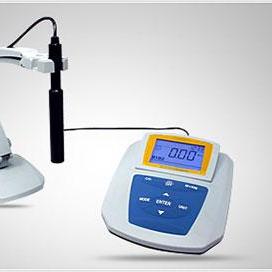
Turbidity is an important indicator of water quality, reflecting the cloudiness caused by suspended particles such as sediment, organic matter, and other fine materials. Monitoring turbidity helps water treatment facilities, environmental laboratories, industrial plants, and wastewater treatment systems evaluate water conditions and identify changes that may require further investigation. An ATO Turbidity Meter provides a practical way to measure water clarity and support more informed water quality management.
Turbidity meters work by measuring how suspended particles scatter light as it passes through a water sample. Depending on the instrument design, the meter detects scattered light at a specified angle and converts the signal into a turbidity reading, commonly expressed in Nephelometric Turbidity Units (NTU). Higher turbidity readings generally indicate more suspended particles, although turbidity alone cannot determine whether water is safe to drink or identify specific contaminants.
Accurate turbidity measurement is useful throughout water treatment and industrial production. Operators can monitor raw water, assess filtration performance, check treated water, and observe changes in wastewater. Environmental professionals can also use turbidity measurements to support surface-water monitoring and investigate sediment disturbances. Regular testing helps identify unusual changes early and provides valuable data for process control and quality assurance.
When choosing a turbidity meter, users should consider measurement range, resolution, accuracy, calibration requirements, sample handling, and operating conditions. Portable instruments may be convenient for field inspections, while laboratory or process-oriented models may better suit routine testing or continuous monitoring. Proper calibration, clean sample containers, careful handling, and consistent testing procedures are essential for obtaining dependable results. Users should also follow applicable testing standards and the manufacturer's instructions.
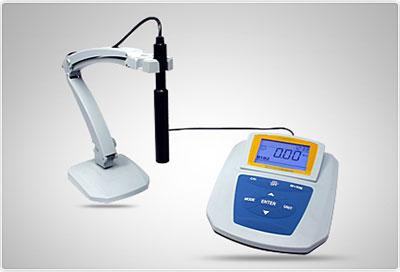
ATO.com offers measurement instruments designed to support practical testing and industrial monitoring needs. Explore ATO Turbidity Meter options to find a suitable instrument for your water quality testing requirements. With the right measurement equipment and consistent testing practices, laboratories and industrial operators can better monitor water clarity, evaluate treatment performance, and make data-informed decisions about water management.
-
1 Posts
-
1 Photos
-
0 Videos
-
manger at ATO
-
Lives in New York City, New York
-
From New York
-
Studied English at HoustonClass of class1
-
Female
-
17/08/1995
-
Followed by 0 people
Search

Recent Updates
-
ATO.com offers measurement instruments designed to support practical testing and industrial monitoring needs. Explore ATO Turbidity Meter options to find a suitable instrument for your water quality testing requirements. With the right measurement equipment and consistent testing practices, laboratories and industrial operators can better monitor water clarity, evaluate treatment performance, and make data-informed decisions about water management. https://www.ato.com/turbidity-meterATO.com offers measurement instruments designed to support practical testing and industrial monitoring needs. Explore ATO Turbidity Meter options to find a suitable instrument for your water quality testing requirements. With the right measurement equipment and consistent testing practices, laboratories and industrial operators can better monitor water clarity, evaluate treatment performance, and make data-informed decisions about water management. https://www.ato.com/turbidity-meter
 0 Comments 0 Shares 17 Views 0 Reviews
More Stories