


Need to Recycle Damaged Phone Units? Here's What You Should Know
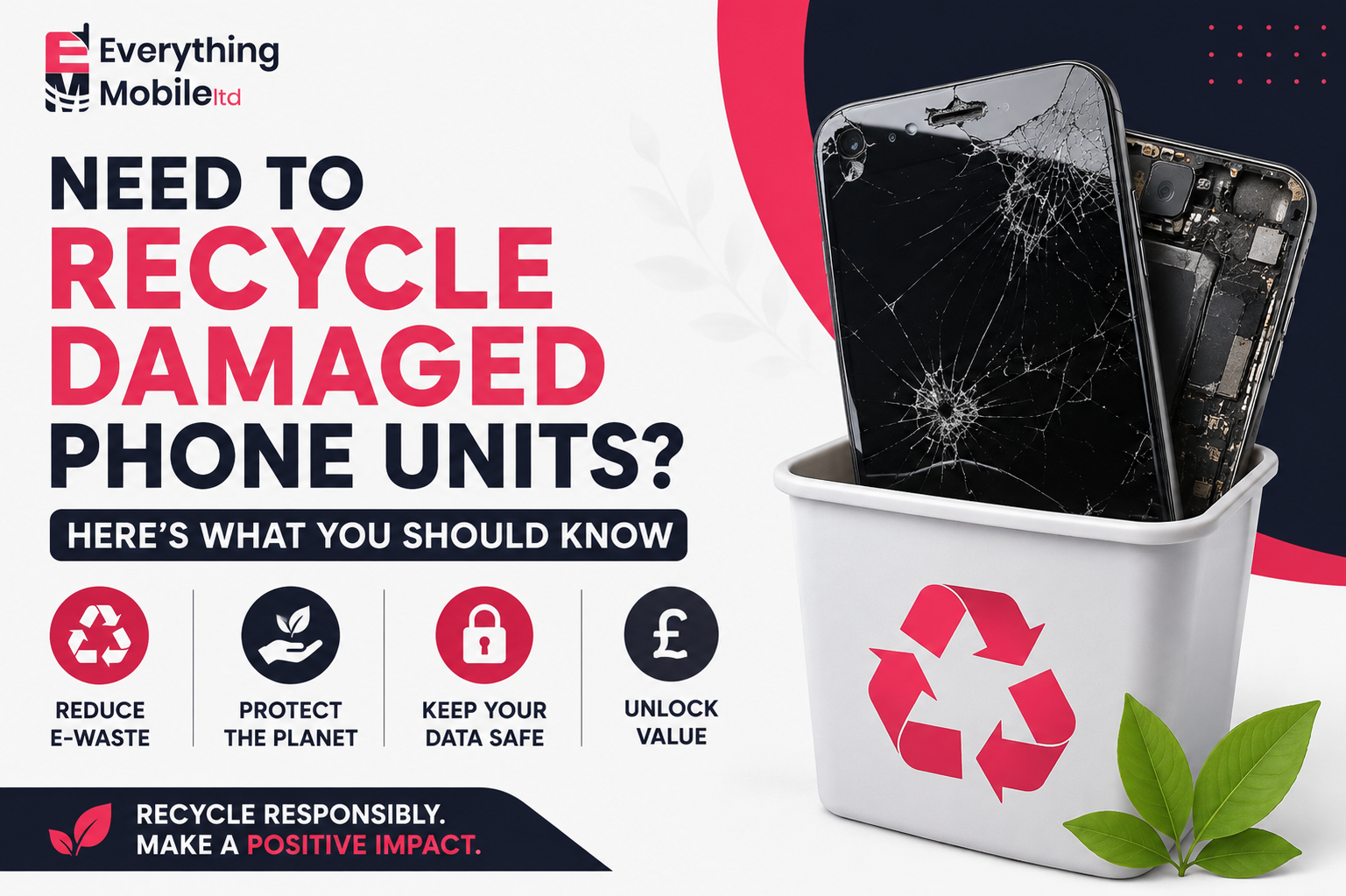
Most people hold onto broken phones longer than they should tucked into a drawer, sitting in a box, waiting for "someday." But when a phone gets cracked, water-damaged, or completely non-functional, that someday rarely comes. The truth is, a damaged phone still holds value just not in the way most people think.
When you decide to recycle damaged phone units properly, you contribute to a healthier environment, recover materials that would otherwise go to waste, and protect yourself from data risks that come with improper disposal.
Here's what you actually need to know before you drop that broken device anywhere.
Why Damaged Phones Are Still Worth Recycling
A phone doesn't need to turn on for it to matter. Inside every smartphone even a completely shattered one there are materials worth recovering: copper, gold, silver, aluminium, and rare earth elements used in screen and battery components.
When these end up in landfill, they leach toxic chemicals into soil and groundwater. Lead, mercury, cadmium these aren't just buzzwords. They're real contaminants that show up in ecosystems and water supplies when e-waste gets buried or burned.
The scale of the problem is significant. Millions of mobile devices reach end-of-life every year, and only a fraction gets recycled responsibly. Choosing to recycle damaged phone units even those that look beyond saving actively reduces that gap.
What Counts as a "Damaged" Phone for Recycling Purposes?
A common misconception is that recycling facilities only accept working phones. That's not accurate. Most certified e-waste programmes and manufacturer take-back schemes accept:
- Phones with cracked or shattered screens
- Water-damaged or corroded devices
- Phones that won't power on
- Devices with swollen or leaking batteries
- Phones missing buttons, ports, or back panels
If you're unsure whether your device qualifies, reach out to the recycling service directly before assuming it doesn't. In most cases, even a phone that's been run over by a car has parts that can be separated and processed.
Steps to Take Before You Recycle a Damaged Phone
Recycling responsibly starts before you hand the phone over. Skipping these steps can expose your personal data or slow down the recycling process.
1. Back Up Any Recoverable Data
If the phone still powers on even partially back up contacts, photos, and any files you want to keep. Use a cloud backup or connect it to a computer directly.
2. Perform a Factory Reset
Wiping the phone removes your accounts, apps, and personal information. On Android, go to Settings > System > Reset. On iPhone, go to Settings > General > Transfer or Reset iPhone. If the screen is too damaged to navigate, a hard reset sequence (usually holding volume and power buttons) may still work.
3. Remove the SIM and Memory Card
These are two items recycling centres won't need and that you should always keep. Your SIM holds carrier information, and a memory card may contain files.
4. Remove Any Accessories
Cases, screen protectors, chargers these are separate materials and typically handled through different streams.
5. Choose a Certified Recycler
Not all drop-off points are created equal. Look for recyclers certified under e-Stewards or R2 (Responsible Recycling) standards. These certifications confirm that materials are handled without harmful practices like open burning or illegal export.
The Environmental Impact of Choosing to Recycle Damaged Phone Units
Electronic waste is one of the fastest-growing waste streams globally. Phones have a short replacement cycle often two to three years which means the volume of discarded handsets is staggering.
When you recycle damaged phone units through proper channels, the recovered materials re-enter manufacturing supply chains. This reduces the need for new mining, lowers production emissions, and cuts down on energy-intensive extraction processes.
Expert Insight: The carbon footprint of producing a new smartphone is significantly higher than the recycling process. Choosing to recycle rather than discard keeps that footprint from compounding.
There's also a social dimension. Responsible recycling programmes often partner with certified facilities that provide fair employment conditions and safe working environments unlike informal e-waste operations where workers handle toxic materials without protection.
Common Mistakes People Make When Recycling Phones
Dropping phones in general recycling bins — Phones require specialist handling. A regular recycling bin isn't equipped for lithium batteries, which can cause fires in standard recycling facilities.
Assuming a trade-in counts as recycling — Trade-in programmes primarily target working or slightly damaged phones. Severely damaged units often get sent to third parties with no transparency on their final destination.
Not wiping data because the phone is broken — A damaged phone can still have its storage accessed by professionals. Never skip the data wipe step, even on devices that appear completely dead.
Throwing away accessories separately — Chargers, cables, and earphones all contain materials that should also be recycled. Keep them together with your phone drop-off.
Where to Recycle Damaged Phones
Options vary depending on your location, but here are the most common channels:
Manufacturer Take-Back Programmes — Most major brands (Apple, Samsung, Google) run recycling or trade-in programmes that accept damaged units. Check their official websites for details.
Local Council E-Waste Collections — Many local councils operate scheduled e-waste collection points or permanent drop-off facilities.
Certified E-Waste Recyclers — Independent recyclers with R2 or e-Stewards certification offer some of the most transparent and traceable options.
Retail Drop-Off Points — Several large electronics retailers accept old or damaged phones for responsible recycling, sometimes offering discount vouchers in exchange.
Get the Right Advice Before You Act
Before you hand over your phone to any recycling service, it pays to get proper guidance especially if you're handling multiple devices, running a business, or dealing with phones that contain sensitive work-related data.
Everything Mobile Limited provides consultancy support to individuals and businesses who want clear, practical guidance on responsible device disposal. Whether you're managing a single unit or a fleet of company phones, their team helps you understand the right process, the right channels, and the compliance steps that matter.
Getting expert input before you act means fewer mistakes, better outcomes, and peace of mind that your devices and your data are handled correctly.
Ready to Recycle Your Damaged Phone the Right Way?
If you have broken, cracked, or non-functional handsets sitting around and you're not sure where to start, don't let them collect dust. Reach out to Everything Mobile Limited for professional consultation on how to recycle damaged phone units safely, responsibly, and in line with current e-waste best practices.
Taking action now means one less device in a landfill and one more step toward a more sustainable approach to the tech we all depend on.
Frequently Asked Questions (FAQ)
Q: Can I recycle a phone that won't turn on at all?
A: Yes. Most certified e-waste facilities accept completely non-functional phones. The materials inside metals, glass, and battery components are still recoverable regardless of whether the device works.
Q: Is it safe to recycle a phone with a swollen battery?
A: You should handle a swollen battery carefully, but it absolutely needs proper recycling not general waste disposal. Contact your local e-waste facility and let them know about the battery condition before dropping it off.
Q: What happens to my data if I can't factory reset a broken phone?
A: If the screen is too damaged to operate, try a hard reset using hardware buttons. If that's not possible, contact a data destruction specialist or choose a certified recycler that provides documented data destruction as part of their service.
Q: Do recycling centres pay for damaged phones?
A: Some do, particularly for phones with recoverable components like cameras, screens, or logic boards. Others offer store credit or vouchers. Severely damaged units may not have monetary value, but responsible disposal is still the right action.
Q: Can businesses recycle damaged company phones in bulk?
A: Yes, and they should. Businesses have additional data security and compliance considerations when disposing of company devices. Many certified recyclers offer bulk collection services with certificates of destruction.
