


Building Inspector Guide for Safer Property Decisions
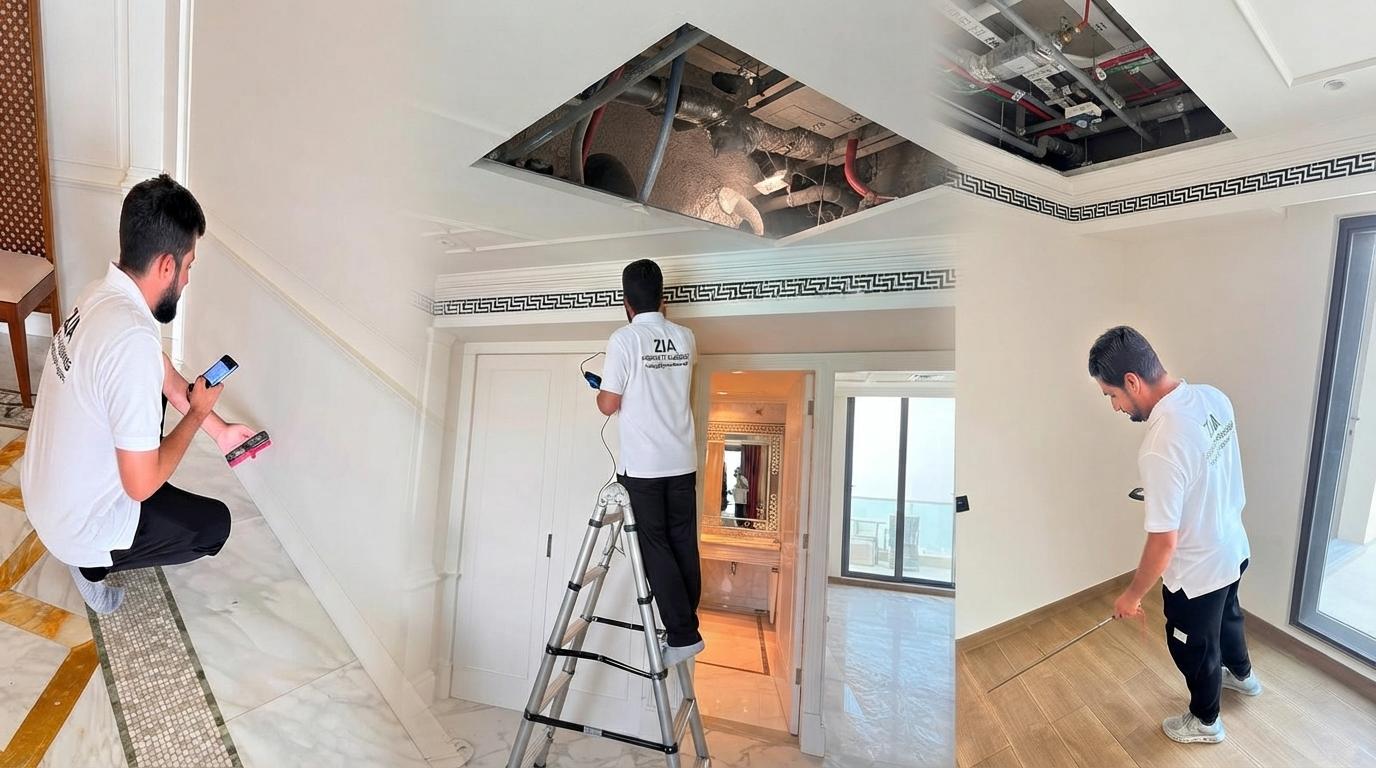
A building inspector is a professional who examines a building and its accessible components to identify visible defects, condition concerns, and potential areas requiring attention. The inspection generally follows a systematic process designed to review important parts of a property.
Depending on the inspection scope and type of building, an inspector may assess areas such as the structure, roof, exterior, interior spaces, plumbing features, electrical components, doors, windows, floors, ceilings, and other accessible elements.
The inspector documents observations and prepares findings that can help the client understand the property's condition.
A building inspector does not simply look for obvious damage. Professional inspection involves observing relationships between different building components. For example, a stain on a ceiling could indicate a plumbing leak, roof problem, condensation, or another source of moisture. Understanding these possibilities can help determine whether additional investigation is necessary.
Why Hire a Building Inspector?
Hiring a building inspector can provide an independent perspective on a property's condition. Buyers often become emotionally attached to a property, particularly when they find a home or commercial space that meets their expectations. This can make it easier to overlook minor defects or assume that visible problems are insignificant.
An inspection provides a more structured assessment.
One of the main benefits is early identification of potential issues. Small defects may become more expensive if they are ignored for a long period. Finding them early gives property owners an opportunity to investigate and address them before they develop further.
A building inspector can also help buyers understand potential maintenance requirements. This information can contribute to better financial planning and property management.
What Does a Building Inspector Check?
The scope of an inspection depends on the property and service being provided, but several major areas are commonly reviewed.
Structural Condition
A building inspector may examine visible structural components such as foundations, walls, columns, beams, floors, and other supporting elements.
The inspector may look for visible cracks, movement, deterioration, water damage, settlement indicators, or other unusual conditions. Not every crack represents a serious structural problem, so professional observation is useful for determining whether further evaluation may be appropriate.
Roof and Exterior
The roof is one of the most important protective elements of a building. A building inspector may examine accessible roofing components and look for visible signs of wear, damage, poor drainage, deterioration, or water penetration.
Exterior walls, finishes, balconies, drainage features, doors, windows, and other accessible elements may also be assessed.
Exterior defects can sometimes allow water to enter a building. Identifying these conditions early can help prevent damage to interior finishes and building materials.
Interior Areas
Interior inspection commonly includes accessible walls, ceilings, floors, doors, windows, stairs, and visible finishes.
The inspector may identify cracks, stains, uneven surfaces, damaged materials, moisture indicators, and other visible concerns. Windows and doors may also be checked for obvious functional or condition issues where accessible.
Plumbing
Visible and accessible plumbing components may be reviewed for leaks, corrosion, damaged connections, water stains, and other obvious concerns.
Plumbing problems can cause extensive damage if they remain unresolved. A small leak can gradually affect cabinets, walls, ceilings, flooring, and other materials.
Electrical Features
A building inspector may examine accessible electrical components for visible signs of damage, deterioration, or other concerns within the inspection scope.
Electrical systems are important for property safety, so issues that require specialist attention should be evaluated by an appropriately qualified professional.
Moisture and Water Damage
Moisture is a common source of building deterioration. Water can enter through roofs, plumbing systems, windows, exterior walls, drainage problems, or other areas.
An inspector may look for visible stains, dampness, deteriorated finishes, peeling paint, and other signs that could indicate moisture problems.
Finding the source is important. Repairing a damaged surface without addressing the cause may allow the problem to return.
When Should You Hire a Building Inspector?
A building inspector can be useful at several stages of property ownership.
Before Buying a Property
A pre-purchase inspection is one of the most common reasons to hire an inspector. Buyers can gain a better understanding of the property's visible condition before making a major financial commitment.
The inspection may reveal defects that are not obvious during a property viewing. This information can help buyers make more informed decisions and plan for possible repairs.
Before Selling
Property owners can also benefit from an inspection before selling. Understanding the property's condition allows sellers to identify potential concerns before they are discovered during the buyer's inspection.
Addressing appropriate maintenance issues in advance can make the selling process more organized and reduce unexpected surprises.
Before Renovation
An inspection can also be useful before renovation work. Understanding the existing condition of walls, floors, ceilings, plumbing, electrical features, and other accessible components can help property owners and renovation professionals plan more effectively.
During Property Maintenance
Regular inspection can help property owners monitor deterioration over time. Buildings are affected by weather, usage, age, moisture, and maintenance practices.
An inspection can help identify developing concerns before they become more complicated.
Benefits of Working With a Professional Building Inspector
A professional building inspector provides several benefits beyond a simple visual walkthrough.
Objective Property Assessment
An independent inspection can provide a more objective view of the building's condition. This is particularly valuable when a buyer is considering a property that appears visually attractive.
Early Problem Identification
Detecting concerns early can make maintenance easier. Some problems become significantly more expensive when they are allowed to develop over time.
Better Maintenance Planning
Inspection findings can help owners prioritize repairs and maintenance. Not every defect requires immediate action, so understanding the condition of different areas can support better planning.
Improved Property Knowledge
Property owners often know how their property looks and functions but may not recognize technical signs of deterioration. An experienced inspector can identify observations that an untrained person might overlook.
Greater Decision-Making Confidence
A detailed inspection can reduce uncertainty. Whether purchasing, selling, renovating, or maintaining a property, having more information can support better decisions.
How to Choose the Right Building Inspector
Selecting the right inspector is important because the quality and usefulness of an inspection depend on the inspector's experience, approach, and reporting.
Look for a professional who clearly explains the inspection scope before starting. Ask what areas will be assessed and whether there are limitations related to accessibility.
Experience with similar properties can also be valuable. Residential buildings, commercial properties, older structures, and newly constructed buildings can have different inspection considerations.
The inspection report should be clear and easy to understand. Findings should identify the relevant areas and explain observed conditions without unnecessary confusion.
Good communication is another important quality. A building inspector should be able to explain observations and distinguish between issues that require routine maintenance and conditions that may need further specialist investigation.
Understanding a Building Inspection Report
The inspection report is an important part of the inspection process. It records observations made during the assessment and can help the client understand the condition of the property.
A useful report should clearly describe defects and areas of concern. Photographs can also help show the location and appearance of observed issues.
Property owners should read the report carefully rather than focusing only on major defects. Smaller maintenance concerns can also be important because they may become more significant if neglected.
It is also important to understand that an inspection report reflects conditions that were visible and accessible at the time of inspection. It is not necessarily a guarantee that every hidden or future defect has been identified.
Building Inspector vs Contractor
A building inspector and a contractor perform different roles.
A building inspector generally assesses and documents the condition of a property. The purpose is to identify visible defects and concerns.
A contractor typically focuses on construction, repair, replacement, or renovation work.
An inspector may identify a problem that requires repair, while a contractor may then be engaged to determine the appropriate repair method and complete the work.
Keeping these roles separate can help property owners receive an independent assessment before deciding how to address identified concerns.
Common Problems a Building Inspector May Identify
Properties can develop many different defects depending on their age, construction, location, maintenance history, and environmental exposure.
Common observations may include wall cracks, damaged flooring, roof deterioration, water stains, plumbing leaks, poor drainage, damaged doors and windows, moisture concerns, deteriorated finishes, and visible electrical issues.
Some problems may be cosmetic, while others may indicate a more significant concern. The importance of a defect depends on its location, severity, cause, and potential effect on the building.
For this reason, inspection findings should be reviewed carefully rather than assuming that every visible defect has the same level of importance.
Limitations of a Building Inspection
A professional building inspection is valuable, but it has limitations.
Most inspections focus on visible and accessible components. Areas concealed behind walls, beneath flooring, inside sealed systems, or otherwise inaccessible may not be assessed.
Specialist systems may also require separate evaluation. For example, certain structural, electrical, plumbing, environmental, or mechanical concerns may require a specialist with specific expertise.
Understanding these limitations helps clients interpret inspection findings correctly. If an inspector recommends additional investigation, that recommendation should be taken seriously.
FAQs About Building Inspectors
What does a building inspector do?
A building inspector examines accessible areas of a property to identify visible defects, maintenance concerns, safety issues, deterioration, and other conditions that may require attention.
Why should I hire a building inspector before buying?
A building inspector can identify visible problems that may not be obvious during a normal property viewing. This information can help buyers make more informed decisions about the property.
Can a building inspector check structural problems?
An inspector can identify visible signs that may indicate structural concerns. Where a specialist assessment is necessary, further evaluation by an appropriately qualified professional may be recommended.
Does a building inspector check plumbing and electrical systems?
Depending on the inspection scope, accessible plumbing and electrical components may be reviewed for visible defects and concerns. Specialist testing may be required for issues outside the inspection scope.
Can a building inspector find water damage?
Yes, visible signs of water damage and moisture may be identified during an inspection. However, concealed moisture or the exact source of a leak may require additional investigation.
Is a building inspector useful for a new property?
Yes. New properties can still have visible defects, incomplete work, installation concerns, or workmanship issues. An inspection can help identify areas that require attention.
What should I do after receiving an inspection report?
Review the findings carefully and prioritize concerns based on their condition and potential impact. Issues requiring specialist assessment should be evaluated by the appropriate professional.
Can an inspection prevent future building problems?
An inspection cannot guarantee that future problems will not occur. However, identifying existing concerns and addressing maintenance issues early can help reduce avoidable deterioration.
Conclusion
A building inspector plays an important role in helping property buyers, owners, investors, and managers understand the condition of a building. Professional inspection can identify visible defects, maintenance concerns, moisture problems, safety issues, and other conditions that may otherwise be overlooked.
Whether you are purchasing a property, preparing to sell, planning renovations, or managing an existing building, an inspection can provide valuable information for better decision-making. It can also help property owners prioritize maintenance and recognize issues before they become more complicated.
