


Why the Mass Flow Controller Market Is Essential for Advanced Manufacturing Processes
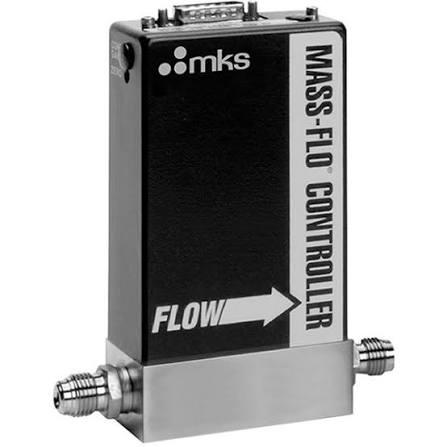
The global landscape of industrial processing is witnessing a massive transition toward absolute precision, driven primarily by the stringent requirements of semiconductor fabrication, chemical synthesis, and pharmaceutical production. At the heart of this precision movement lies advanced flow instrumentation, which ensures that gases and liquids are delivered with sub-percent accuracy under varying pressure and temperature constraints. As modern manufacturing facilities upgrade from manual, error-prone valves to automated solutions, industry participants are actively tracking the Mass Flow Controller Market Analysis to understand how next-generation digital sensors, Micro-Electro-Mechanical Systems (MEMS), and thermal-based devices are reshaping plant automation. The surge in clean energy initiatives, including green hydrogen generation and advanced solar cell manufacturing, has further propelled the demand for high-performance controllers capable of handling volatile and ultra-pure gases without compromising safety or throughput. Consequently, process engineers, plant operators, and strategic planners are re-evaluating their capital expenditure strategies to integrate intelligent flow devices equipped with real-time diagnostics, remote calibration, and multi-gas configuration protocols, thereby minimizing unexpected downtime and maximizing yield.
From a strategic market perspective, the adoption of industrial Internet of Things (IoT) frameworks and Industry 4.0 standards has turned flow monitoring from a localized control function into an enterprise-wide asset tracking tool. Contemporary facilities rely on automated feedback loops where flow measurement devices continuously communicate with central programmable logic controllers (PLCs) and distributed control systems (DCS). This level of integration is essential for high-value applications like plasma etching, chemical vapor deposition, and biotechnology fermentation, where minor flow fluctuations can ruin entire production batches. Beyond high-tech manufacturing, traditional industries such as oil and gas refining, food processing, and automotive painting are increasingly adopting digital flow management tools to meet tightening environmental regulations and optimize raw material usage. As global supply chains continue to realign around localized semiconductor fabrication facilities and sustainable energy hubs, decision-makers are evaluating regional supply capabilities, sensor longevity, and overall cost of ownership to maintain operational resilience in a rapidly evolving industrial environment.
Frequently Asked Questions
-
What primary factors drive the adoption of mass flow controllers in semiconductor manufacturing? Semiconductor fabrication requires extreme accuracy in gas delivery for processes like etching and thin-film deposition, making highly stable controllers necessary to ensure yield consistency and prevent wafer defects.
-
How do modern flow controllers support digital industrial automation? Modern controllers feature advanced digital communication protocols (such as EtherCAT, Profibus, and Modbus) that allow real-time telemetry, predictive maintenance alerts, and remote parameter adjustments within Industry 4.0 environments.
➤➤➤Explore MRFR’s Related Ongoing Coverage In Semiconductor Industry:
Ai In Video Surveillance Market
Autonomous Mobile Robot Market
